The notion that the nonhuman world of such things as objects, rocks, water and cloud formations, can involve understanding their having some kind of agency can be problematic to Western empirical thinking. Vital materiality, anthropomorphism and animism Jane Bennett and Tim Ingold argue, have been considered as “inimicable to science” (Ingold, 2011, 75). Tim Ingold, however, sees animism as a more sophisticated philosophy that views things as live, not because they are possessed of spirit but because they are a part of the complex web of life’s activity. He writes:
Animacy, then, is not a property of persons imaginatively projected onto the things with which they perceive themselves to be surrounded. Rather… it is the dynamic, transformative potential of the entire field of relations within which beings of all kinds, more or less person-like or thing-like, continually and reciprocally bring one another into existence. (Ingold, 2011, 68)
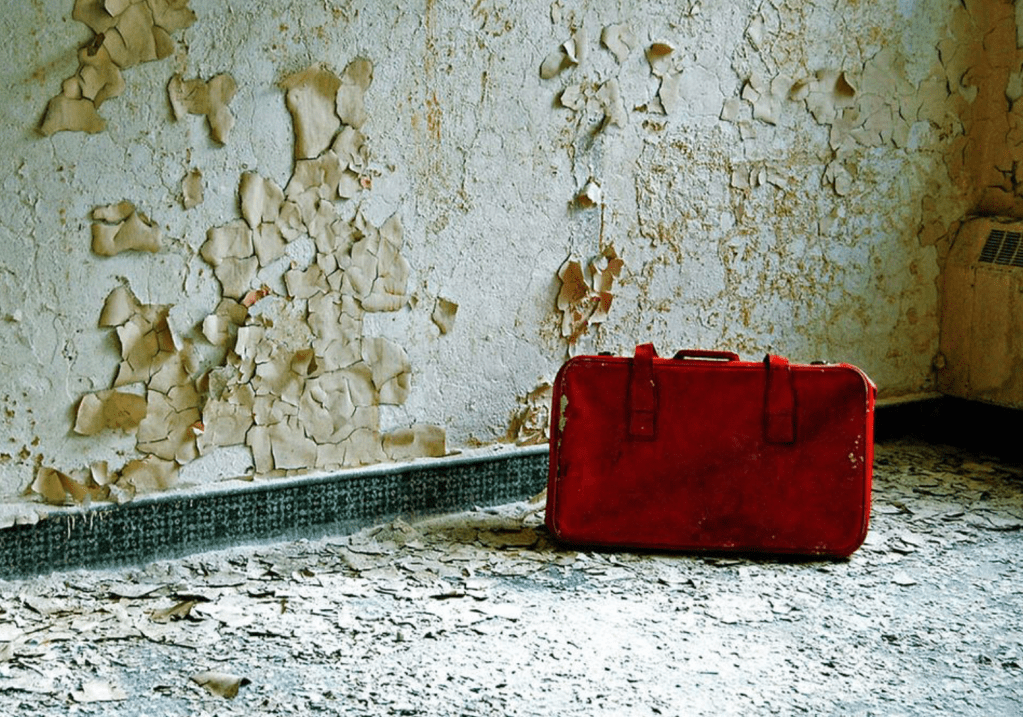
Ingold and Bennett offer sophisticated mappings of the world of nonhumans, and counter views to the empiricism that sees such ideas as primitive. Their material thinking brings alive the vitality of things. I argue that the puppet theatre and its puppeteers have a vital part to play in accessing and highlighting this vitality of things. I stress that this is not necessarily restricted to childish or cartoon-like animated toys or singing puppets seen in television advertisements. Rather, a deeper consideration of the non-human world as active. This kind of recognition of the agency of objects – can be found in the not so obvious. An empty chair on stage, the subtle movement of a curtain for example, can tell a myriad of stories worth listening to. Old teapots, piano rolls and typewriters, bits of wood and cardboard, can materially activate our imagination and challenge us to rethink the human as dominant subject in the world.
 Lynne Kent